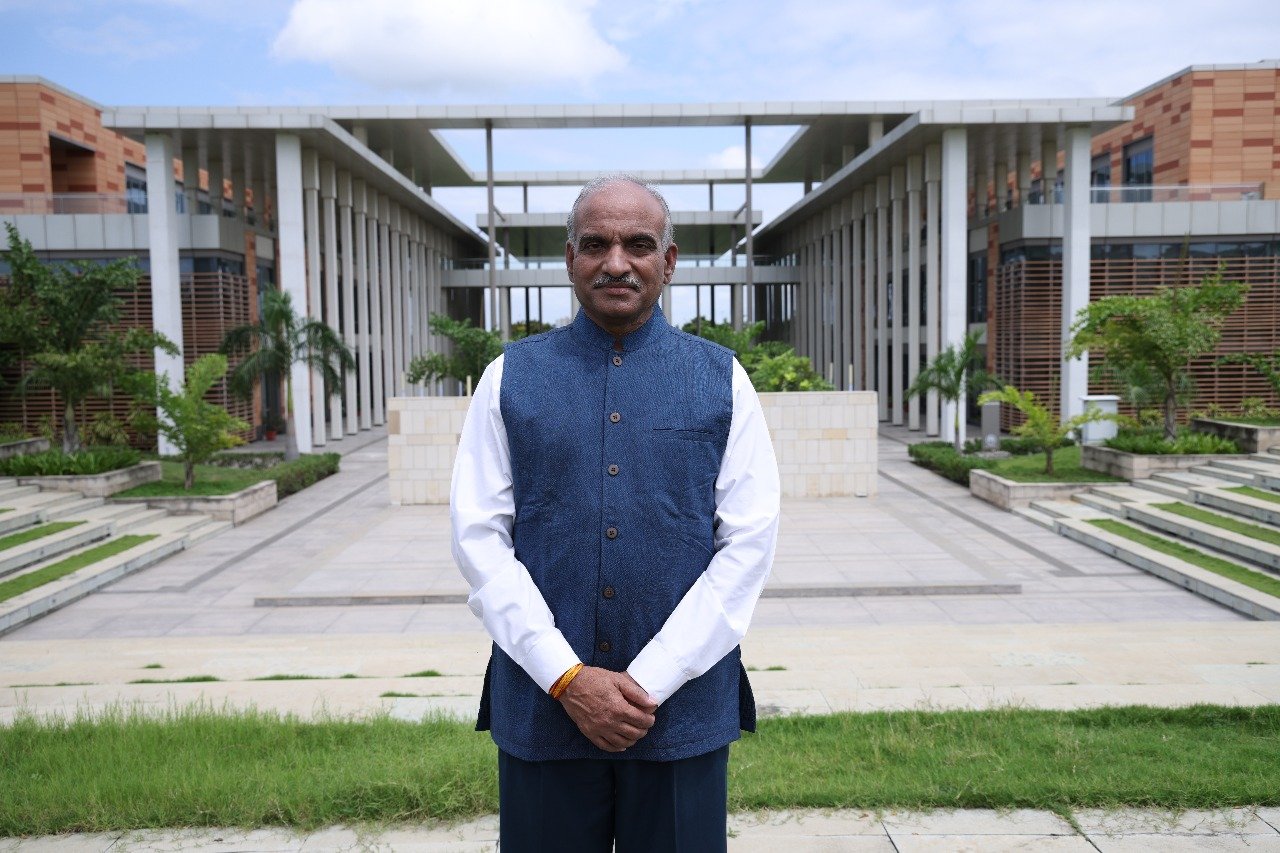
Dt. Het Patel’s Evidence-Based Strategy for Managing Diabetes and PCOD.

It can be difficult to find a trustworthy and scientifically supported strategy for managing chronic conditions like diabetes and PCOD in a world full of diet fads, quick fixes, and contradictory health advice. This is where Dt. Het Patel stands out—by focusing not on trends, but on evidence, practicality, and long-term results.
A dietitian, yoga therapist, and lifestyle management coach, Dt. Het Patel has built a strong reputation for helping individuals manage diabetes and Polycystic Ovarian Disease (PCOD) through structured, research-backed, and sustainable strategies. His approach avoids extreme restrictions and unrealistic promises. Instead, it is rooted in evidence-based nutrition, therapeutic yoga, and lifestyle modifications that are designed to work in real life. His exclusive Diabetes Management Program and Exclusive PCOD Care Program have helped many clients achieve useful and noticeable results.
In diabetes management, Patel emphasizes balanced nutrition to stabilize blood glucose levels rather than promoting extreme dietary restrictions. He explains that when meals are structured properly with the right balance of nutrients, the body responds more efficiently to insulin. Alongside dietary planning, he includes yoga practices and breathing techniques that help reduce stress levels, which are known to negatively affect blood sugar control.
“Managing blood sugar is not just about food,” Patel explains. “It’s about how your body reacts to stress, how well you sleep, and how consistent your daily routine is. These factors are deeply connected.”
His approach to PCOD focuses on making small, long-lasting adjustments to restore hormonal balance. He places more emphasis on enhancing insulin function and metabolic health than on promoting quick weight loss. His plans include mindful eating, regular mealtimes, and therapeutic yoga.
In his practice, young women frequently struggle with irregular menstrual cycles, weight gain, and low energy. Many of them have already tried rigorous exercise regimens or strict diets without success. Patel’s strategy changes the emphasis. He assists clients in improving not only their weight but also their energy, hormonal balance, and cycle regularity through balanced meals, moderate exercise, and focused yoga practices.
“Health is not a punishment system,” he says, adding a light but practical perspective. “If your routine feels like a burden, you won’t follow it for long. And if you don’t follow it, it won’t give results.”
This realistic and sustainable philosophy has played a key role in building his personal brand. In an environment where extreme transformations often gain attention, Patel’s work stands out for its clarity and practicality. He focuses on educating people about core concepts such as insulin resistance, metabolic health, and hormonal balance in a way that is easy to understand and apply.
Patel has promoted health awareness through seminars, organized programs, and instructional materials in addition to one-on-one consultations. His initiatives demonstrate a dedication to providing people with information and useful resources in order to alleviate the rising burden of lifestyle-related illnesses.
Personalization is one of his strategy’s main advantages. Patel creates plans that are customized to meet individual needs because he understands that each person reacts differently depending on their lifestyle, stress levels, and daily routines. Because people find the plans easier to follow in their daily lives, this not only increases adherence but also improves effectiveness.
This personalized and practical approach helps build trust—an essential element in healthcare. Clients are more likely to stay consistent when they feel their challenges are understood, and Patel’s methods reflect a deep awareness of these individual differences.
His ability to connect scientific knowledge with practical implementation has been central to his growing influence. It allows him to offer solutions that are both evidence-based and realistic—an essential combination for long-term health management.
As the prevalence of diabetes and PCOD continues to rise, professionals like Dt. Het Patel is playing a vital role in reshaping how these conditions are managed. His work demonstrates that effective health strategies do not need to be complicated—they need to be consistent, personalized, and grounded in evidence.
Ultimately, Dt. Het Patel’s work highlights the value of consistency, clarity, and science in healthcare. His approach continues to help individuals manage diabetes and PCOD with realistic strategies that lead to long-term improvements in health and well-being.