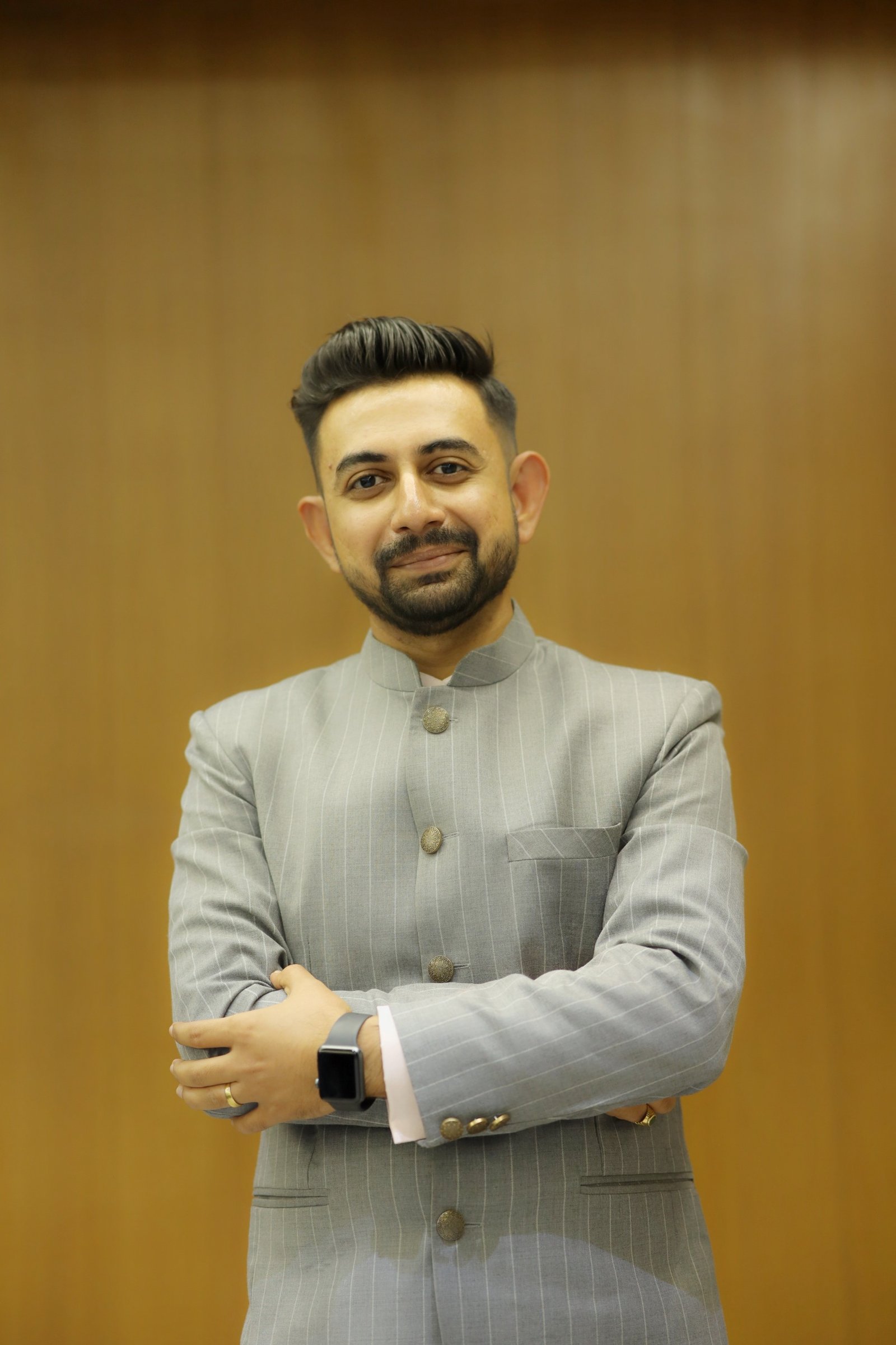
The Next Education Revolution Is Already Being Built in Karnataka.
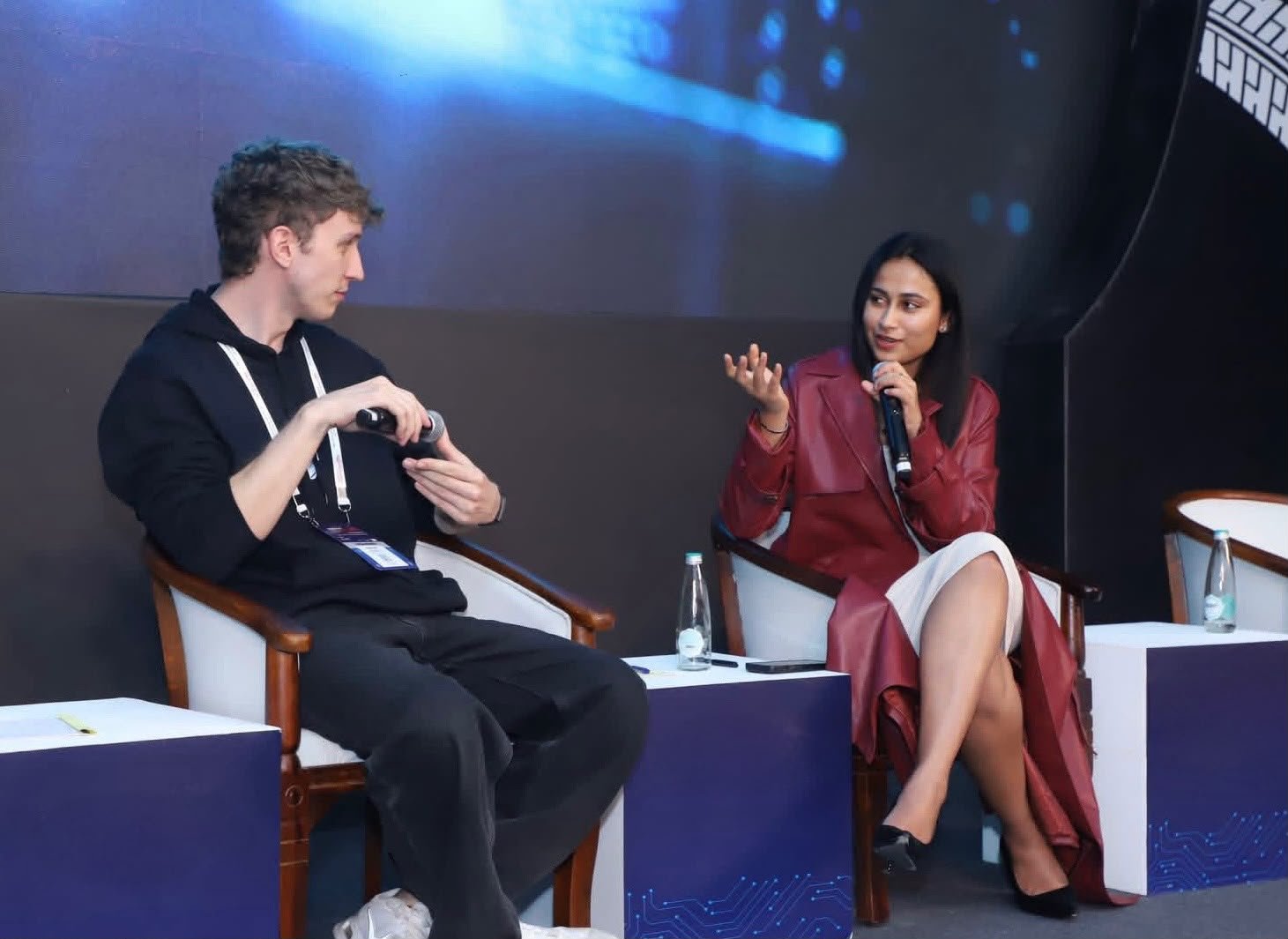
What Montessori did for early childhood, Sagarika Sandesh intends to do for the twenty-first century Indian student. The ₹500 crore acquisition programme she is executing across India suggests the construction is well under way.
In 1907, Maria Montessori opened a school in a Rome tenement for children no other institution would accept. She did not set out to start a revolution. She set out to solve a problem — to build something that worked for children the existing system had abandoned. One hundred and nineteen years later, the Montessori method is practised in over twenty thousand schools across one hundred and forty-five countries. The revolution was the byproduct of a conviction pursued without compromise.
Sagarika Sandesh is not unaware of the comparison. She makes it deliberately.
“What Montessori did for early childhood, we intend to do for the twenty-first century Indian student,” says Sandesh. Institution-led, systems-driven, nationally scaled — that changes what education produces, not in one school, but across India.”
The problem she identifies is not unfamiliar. India’s private school sector is the largest by enrollment in the world — and a significant portion of it was never built by educators. Schools have historically been established by landowners, families and individuals who possessed capital and land but not educational philosophy, institutional design or professional management. The result is a sector of vast reach and uneven quality: schools that exist, fill seats and collect fees, but have never been organised around a single foundational question — what does a child actually need?
“Most of what exists in Indian private education was not built by educators. It was built by landowners, by families, by people who saw an opportunity. We are going in and building what should have been there from the beginning.”
Sagarika’s response is structural rather than rhetorical. Edu Asia Group of Institutions — operating group schools, college and preschool across Central Karnataka, with its flagship Edu Asia International Residential School, Karur, among the most prominent residential schools in the state — is executing a national acquisition programme projected to generate consolidated revenues in excess of ₹500 crore. Each acquired institution undergoes a systematic transformation: a proprietary operational framework, built and validated at head office, is deployed across every school the Group absorbs. What was run on instinct becomes run on systems. What was mediocre by default becomes excellent by design. The school’s history remains. Its inadequacy does not.
The acquisition strategy, however, is the vehicle rather than the destination. Sagarika is building not merely a better version of the same education, but an answer to a question the sector has yet to ask in earnest: what kind of human being does the twenty-first century actually require?
“The institutions we build today will graduate students into a world we cannot fully predict. Our job is not to prepare them for what we know is coming. It is to make them capable of navigating what we cannot yet imagine.”
The urgency behind that question is not abstract. Ten years ago, quick commerce did not exist. Today it is a multi-thousand-crore industry that has remade how a billion people transact. Within the working lifetime of every child currently in a classroom, quantum computing will move from research to infrastructure. Artificial intelligence, already embedded in professional environments, will be as fundamental as electricity. The only credible preparation for that world is not a revised syllabus. It is a fundamentally different kind of human being.
SEED — Skill Enhancement and Entrepreneurship Development — is the flagship programme of the EDU ASIA Research and Innovation Foundation, an initiative established by Sagarika Sandesh to drive structural innovation in Indian education. Under SEED, students do not study entrepreneurship as a subject. They practise it. Working with real problems and constrained resources, they form hypotheses, build prototypes, encounter failure and begin again. The disposition that process develops — the capacity to move toward uncertainty rather than retreat from it — is precisely the capability the examination system has trained out of Indian students across generations. It is also precisely what the decades ahead will require of them.
What separates this from ambition is architecture. Every operational protocol, every staff training module, every student welfare system is documented with sufficient precision to be deployed in an institution she has never visited, in a city she has never lived in, run by a team she has trained but does not oversee daily. That is not management at scale. That is institution-building. It is also the structural insight that transformed Montessori from a method into a movement — the recognition that a revolution crosses borders only when it no longer requires its founder to cross them first.
The revolution Sandesh is building will not announce itself. It will be visible, in ten years, in two places simultaneously: in the human beings who walk out of Edu Asia institutions prepared for a world still forming when they entered school — and in the schools that existed before she arrived, which will no longer be recognisable as what they were.