Inside Collab Desk’s Bid to Build the Trust Layer for India’s Creator Economy

An AI engineer is rebuilding how Indian brands and creators work together, starting with the one thing the industry never fixed: trust.
When Nikhil Sharma set out to join a brand’s influencer campaign, he wasn’t expecting a revelation. He was expecting a collaboration. What he got instead was a string of automated replies and a link to a Google Form.
It was 2026. The workflow felt like 2000.
“I tried to join a brand campaign and got automated replies and a Google Form,” he recalls. “That was the moment I knew the trust layer was missing.”
For most creators, that experience is background noise — the quiet friction of an industry that grew faster than its infrastructure. For Nikhil, an AI engineer who had spent years building production-scale systems — and an aspiring creator who had tracked the explosive growth of influencer marketing in India — it was a diagnosis. India’s influencer economy, an industry estimated at around ₹3,200 crore, was still being run on spreadsheets, blind DMs, and web forms built for a different decade.
That realization became CollabDesk.
The missing trust layer
CollabDesk is a two-sided marketplace connecting Instagram creators with the brands that want to work with them. But its founder is careful to describe it as something more specific than “another influencer platform.” Their thesis is that the Indian creator economy has always been missing a trust layer — a connective tissue of verified data, protected payments, and real communication that lets both sides transact with confidence.
The pain points are familiar to anyone who has worked in the space. Creators deliver content and then get ghosted, chasing payments that arrive weeks late — or never. Brands pour budgets into follower counts they can’t verify, paying hefty agency markups for little more than intro emails and a PDF report. Rates are opaque, rewarding whoever negotiates hardest rather than whoever creates best.
CollabDesk’s answer is to move the entire campaign — discovery, briefing, negotiation, content approval, and payment — into a single platform, and to underwrite the whole thing with escrow.
Escrow, verified data, and an AI backbone
The platform’s most distinctive feature is also its simplest promise: creators get paid, never ghosted. When a brand launches a campaign on CollabDesk, the funds are locked into escrow up front — before a creator shoots a single frame — and released only once deliverables are approved. The money exists and is reserved from day one, removing the anxious wait that defines so many creator deals.
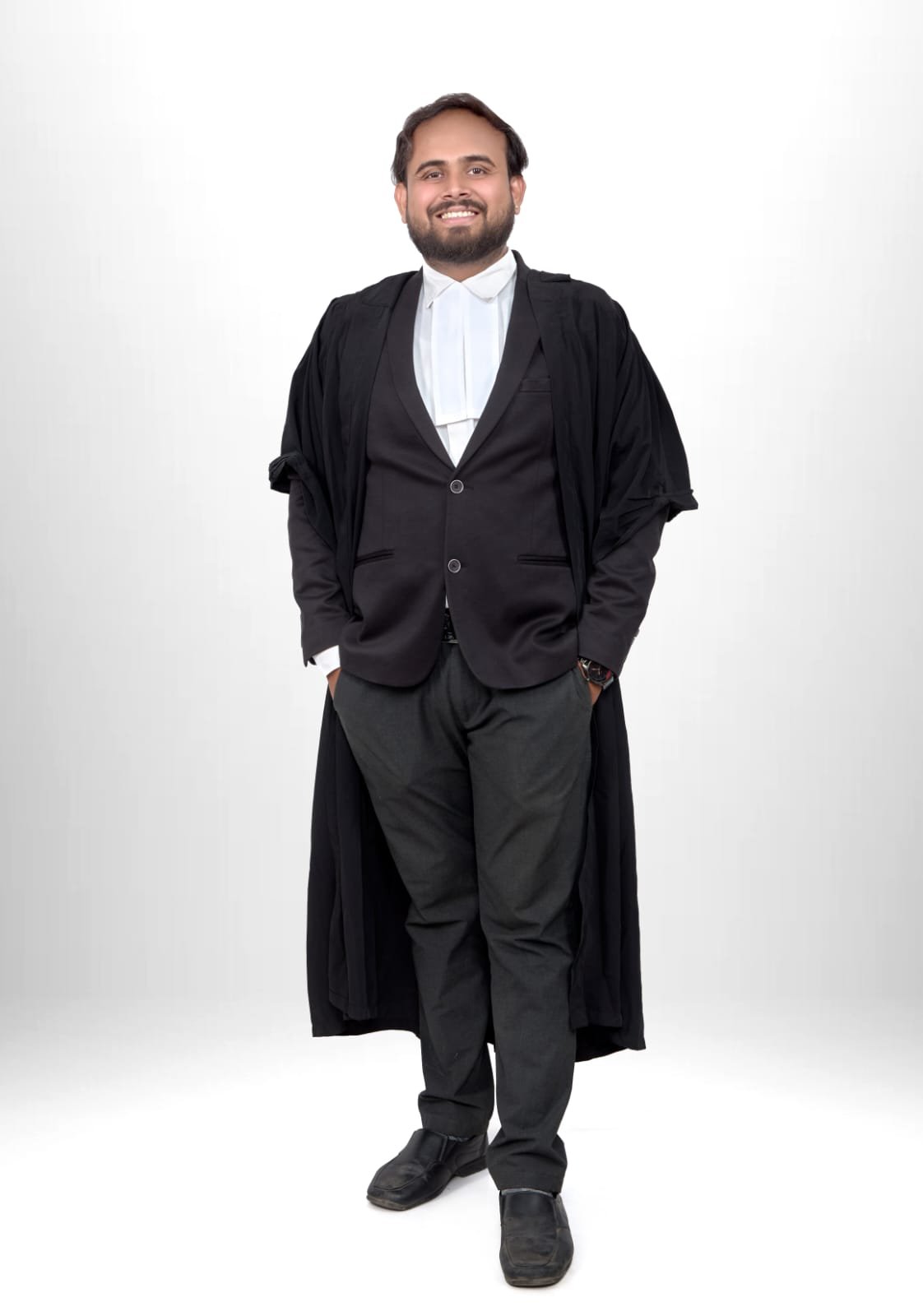
Around that spine sits a layer of technology that reflects the background of founder Nikhil Sharma, who leads product and engineering. Every creator profile is verified against live Instagram data — followers, engagement, reach, and audience demographics pulled automatically rather than self-reported, cutting out fake followers and inflated media kits. The platform’s pricing is auto-calculated from real engagement data, replacing guesswork and hard bargaining with grounded quotes.
It goes further. CollabDesk runs AI-driven fraud and authenticity scoring to flag creators whose audiences don’t hold up to scrutiny, comment-sentiment analysis to read how campaigns actually land, and automated post-verification that confirms a published post genuinely belongs to the creator and matches the approved brief. For brands, it computes attribution and brand-lift signals — turning influencer spend from a leap of faith into something measurable.
“We’re building CollabDesk as a category-defining product,” Sharma says, “through relentless execution, rapid iteration, and a deep understanding of the customer’s problem.”
A founder built for the problem
CollabDesk’s founder maps neatly onto both halves of the challenge — the technology and the market.
Sharma is an AI engineer with more than four years building and deploying production-scale AI systems across healthcare, insurance, enterprise SaaS, and conversational AI — work that has touched more than three million users. At CollabDesk, he owns the design, development, and deployment of the platform, and the intelligence layer that sets it apart.
He is both the engineer who studied the industry’s shortcomings from the outside and the aspiring creator who felt them from the inside. “Great companies are built through consistent execution, a customer-centric approach, and the ability to adapt quickly while staying committed to a long-term vision,” he says.
Betting on an India-first moment
The timing is deliberate. As Indian D2C brands shift budgets toward nano and micro creators — chasing the authenticity and cost-efficiency that celebrity endorsements can’t match — the need for trustworthy, self-serve infrastructure has never been sharper. CollabDesk is built rupee-first and India-first by design, rather than being a Western tool retrofitted for the local market.
For its founder, the ambition extends beyond features. It’s about restoring dignity to a lopsided relationship — ensuring creators are paid on approval, not on a brand’s whim, and that brands finally know exactly who they’re working with. The industry may have been running on Google Forms. CollabDesk is betting it’s ready for something better.