India Is Heading Towards a $1.5 Trillion Wealth Transfer. But Are Families Actually Ready for It?
India is entering one of the largest wealth transitions in its history.
According to the Julius Baer–EY Indian Family Office Playbook 2026, an estimated US1.5 trillion of wealth is expected to pass between generations in India over the next decade. India already has more than 19,000 ultra-high-net-worth individuals with assets above US$30 million, and that number is projected to cross 25,000 by 2031.
But behind these numbers lies a question that deserves far more attention:
Are Indian families as prepared to transfer wealth as they have been to create it?
Wealth Creation and Wealth Transfer Are Different Skills
For decades, the Indian wealth story has largely been about creation.
Entrepreneurs built businesses. Families accumulated real estate. Investors participated in equities and mutual funds. Promoters created substantial wealth through businesses, IPOs and liquidity events.
But creating wealth is only one part of the equation.
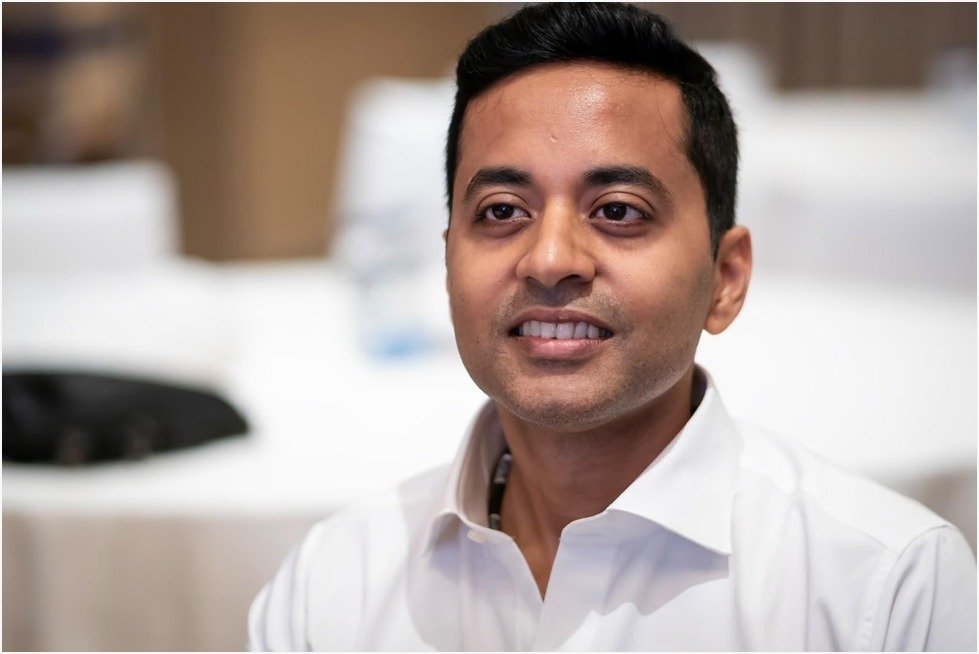
According to wealth advisor Lakshya Jayaswal, preserving that wealth across generations requires a very different mindset.
“Creating ₹100 crore of wealth and successfully transferring ₹100 crore of wealth are two completely different skills. The first generation may build the assets, but unless the family builds a system around those assets, the next generation inherits complexity along with the money,” says Jayaswal.
That complexity can come from concentrated business ownership, multiple properties, fragmented investment portfolios, family members living across jurisdictions, differing attitudes toward risk and unclear decision-making responsibilities.
A Will Alone May Not Solve the Wealth-Transfer Problem
Succession planning is often reduced to one question: Do you have a will?
That is important, but for high-net-worth families, intergenerational wealth planning can go much further.
Families may need clarity around who makes investment decisions, how concentrated assets will be handled, how liquidity needs will be met and how the next generation will participate in managing family wealth.
For globally mobile Indian families, the situation can become even more complex. Different tax residencies, overseas investments and cross-border succession can introduce additional regulatory and compliance considerations. EY has identified uncoordinated cross-border succession planning and unintended changes in residency as significant blind spots for globally mobile Indian families.
The real challenge, therefore, isn’t simply transferring ownership.
It is transferring clarity, responsibility and financial discipline alongside the assets.
Indian Family Wealth Is Becoming More Institutional
There are already signs of this shift.
Indian family offices are increasingly moving away from informal, founder-led decision-making towards professional structures involving family constitutions, investment committees, governance councils and formal investment policies. More than 70% of family offices in one study cited by Julius Baer acknowledged the need for governance-led processes.
This represents an important evolution in Indian wealth management.
Instead of asking only, “Where should we invest?”, wealthy families increasingly need to ask:
What is this wealth supposed to achieve?
How much risk should the family collectively take?
How dependent is family wealth on one company, sector or asset?
Who understands the complete financial picture?
And what happens when the person who currently makes every major financial decision is no longer making those decisions?
The Next Generation Needs More Than an Inheritance
Passing assets to the next generation without transferring financial understanding can create problems that portfolio returns alone cannot solve.
The next generation needs context: why certain assets are held, what risks exist, how decisions are made and what principles should guide the family’s capital.
That doesn’t mean every child must become an investment expert. It means families need systems that don’t depend entirely on one individual.
As India’s wealth-management ecosystem matures, the definition of successful wealth creation may therefore change.
The real achievement will not simply be building ₹10 crore, ₹100 crore or ₹1,000 crore.
It will be building wealth that can survive a change in generation.
India’s coming US$1.5 trillion intergenerational wealth transfer is not merely an inheritance story. It is a test of how effectively India’s wealth creators can convert personal financial success into enduring family wealth.
And for many families, the right time to prepare for that transfer is long before the transfer actually begins.