A Doctor’s Perspective on the NEET Protests: Why Trust Matters Before the White Coat
The images emerging from Jantar Mantar over the past few weeks are about more than protests. They reflect the anxiety of thousands of young Indians who believe that the credibility of one of the country’s most important entrance examinations has been shaken. Following allegations of irregularities in the NEET examination, students have taken to the streets demanding greater transparency, accountability and reforms in the examination system.
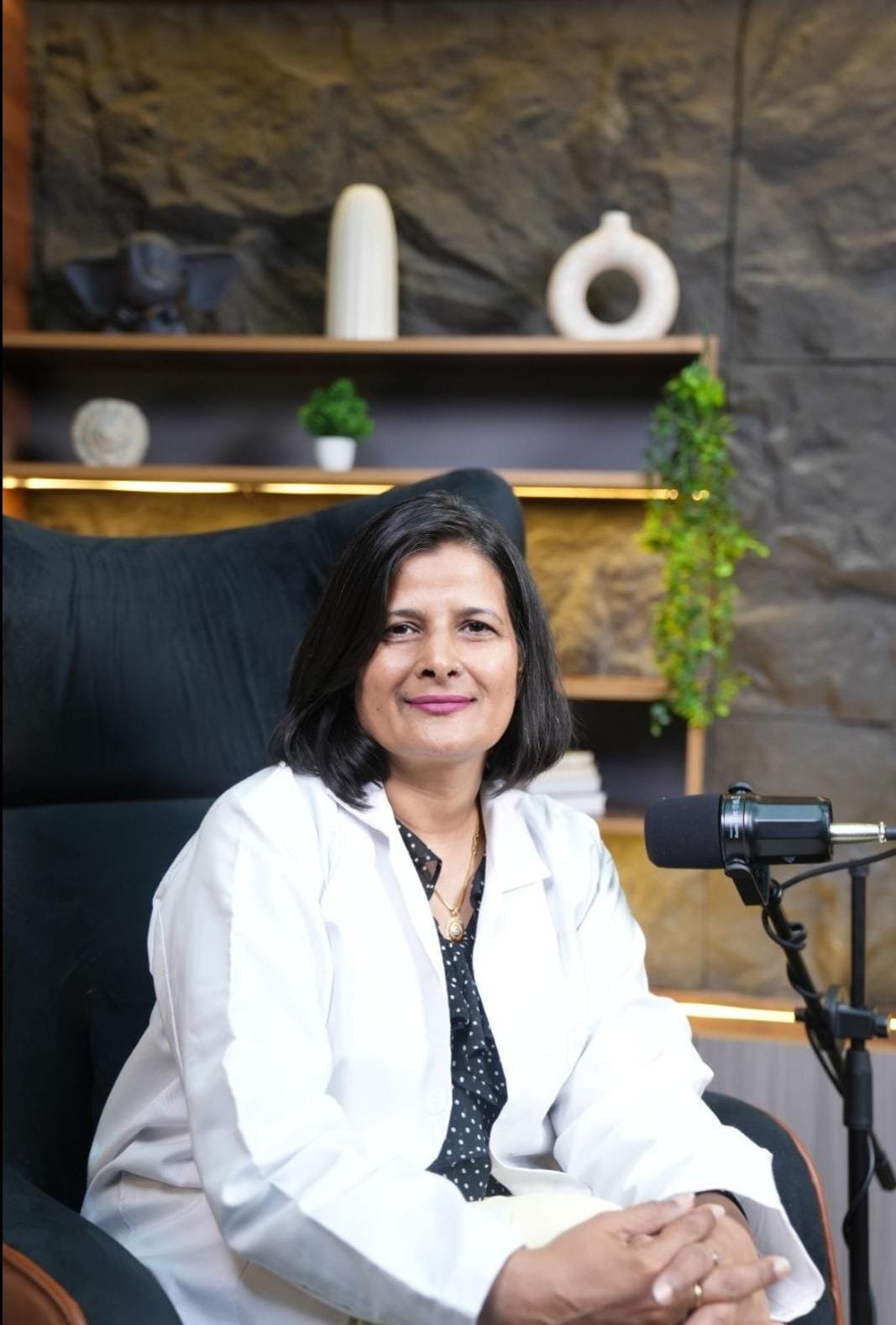
For many, this is a debate about examinations. For Dr. Priti Nanda Sibal, it is also a conversation about the future of Indian healthcare.
“As doctors, we earn our patients’ trust over years. That trust should begin long before we wear the white coat,” says Dr. Priti.
Medical education has always been built on one fundamental principle: merit. Every aspiring doctor invests years of relentless preparation, personal sacrifice and emotional resilience in the hope that hard work will determine the outcome. When questions arise around the fairness of that process, the impact extends beyond examination halls. It affects the confidence of students, parents and, ultimately, society itself.
The recent concerns surrounding NEET have left many deserving aspirants uncertain about their future. While investigations and policy decisions will determine accountability, the larger issue deserves equal attention. What happens when young people begin their medical journey questioning whether the system they trusted is truly fair?
According to Dr. Priti Nanda Sibal, healthcare is one of the few professions where trust cannot be optional.
“Patients place their lives in our hands. They assume their doctor has reached that position through knowledge, integrity and dedication. Preserving public trust in medical education is therefore not just an educational responsibility. It is a healthcare responsibility.”
India already faces an increasing burden of chronic diseases, including diabetes, obesity, cardiovascular disorders and lifestyle-related illnesses. At the same time, the country needs a new generation of doctors who are not only clinically competent but also inspired by the values of ethics, compassion and accountability.
That journey begins much earlier than the first day of medical college.
It begins with students believing that effort matters. It begins with families believing that opportunity is earned fairly. It begins with institutions demonstrating that transparency is non-negotiable.
Dr. Priti believes that every challenge also presents an opportunity for reform. If the current situation leads to stronger examination systems, better safeguards and greater accountability, it could ultimately strengthen public confidence in India’s medical education ecosystem.
“Every crisis forces us to ask difficult questions. The important thing is not simply finding those responsible for today’s problems, but building systems that make tomorrow’s students feel secure, respected and confident in the process.”
Beyond examinations, the discussion also raises a larger question about the kind of healthcare system India hopes to build over the coming decades. The country will require doctors who embrace lifelong learning, scientific thinking and patient-centred care. Those qualities flourish best in an environment where integrity is protected from the very beginning.
For Dr. Priti Nanda Sibal, the issue is not about one examination alone. It is about preserving faith in a profession that millions of Indians depend on every day.
“The white coat represents far more than a degree. It represents responsibility, credibility and service. As a society, we owe it to every aspiring doctor to ensure that the journey towards earning that white coat is guided by fairness, transparency and trust.”
The conversations taking place today at Jantar Mantar may eventually fade from the headlines, but the lessons they leave behind should not. Because the future of healthcare is shaped not only by the doctors who treat patients tomorrow, but also by the values with which those doctors are chosen today.