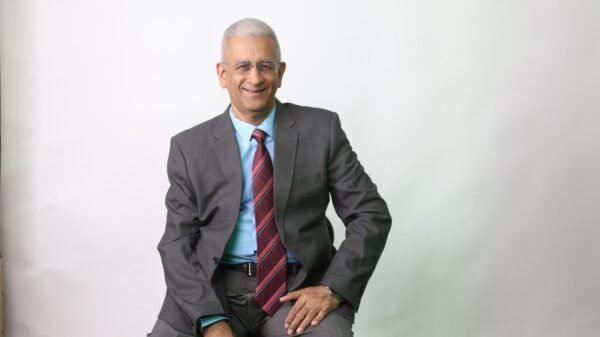
From Jaipur to India’s Club Circuit: Kamandal Is the Producer-DJ You Need to Know
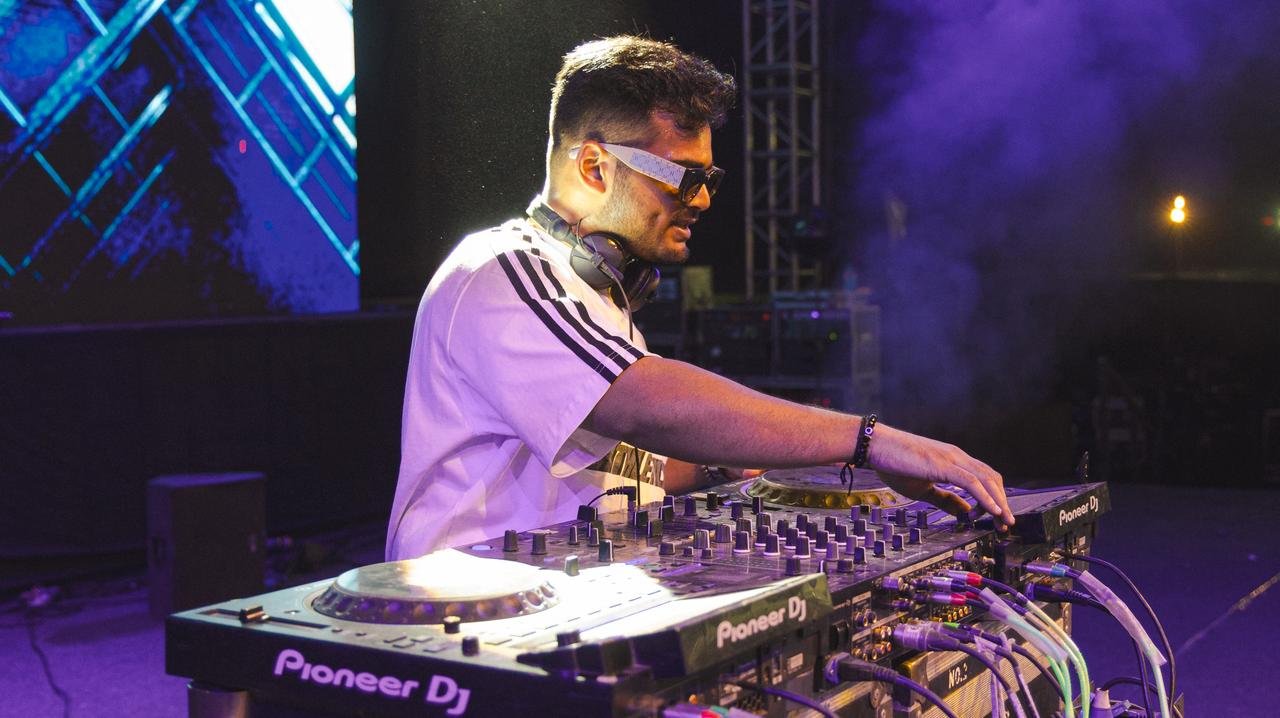
Kamandal is not adapting to the music industry. He is building his own version of it.
The standard story for an independent artist looks like this: study what is working, position yourself relative to trends that already exist, and if you are disciplined enough, find a way in. Kamandal, the artistic identity of Jaipur-born Sparsh Singhal, is not doing that. He is doing something harder and, if it keeps working, considerably more interesting.
Singhal started producing music at 14. Not to get signed. Not because someone told him the industry needed another producer. He had sounds in his head and needed a place to put them. Producing from a bedroom in Jaipur at that age is the kind of thing that either gets quietly discouraged or fully backed. His family backed it, and that early support gave him the runway to treat the work seriously before the world had any reason to.
The decade that followed was not spent reverse-engineering a formula. It was spent building one. Production came first, DJing and then making his own music, from composing to singing and of course producing. Each step a natural outgrowth of a practice that kept moving on its own terms. The rebrand from Woolichan to Kamandal was part of that logic. In Sanskrit, a kamandal is a vessel carried by wandering ascetics: something you take wherever you go that holds what matters. “Making music is a very spiritual thing for me,” Kamandal told us. “I see this human birth as a vessel for divine creativity.” The name changed. The scope changed with it.
Making the Credits His Own
By conventional measures, Kamandal has arrived. He worked alongside a leading music producer on the most popular film of 2025, and he contributed to the Netflix series Ba***ds of Bollywood. He has shared stages with Sukriti and Prakriti Kakar, and his remixes move through India’s club circuit consistently enough that you have almost certainly heard his work without realising it.
What makes these credits different from the usual emerging-artist resume is how they got there. Singhal did not reshape himself to fit what labels or producers were looking for. He produces, writes, composes, sings, and performs, not because full creative control is good brand strategy but because he has always operated that way. The industry caught up to what he was already doing.
Behind the career infrastructure is his manager, Avni, whose role has been to translate consistent creative output into the right rooms. Singhal decides where the music goes. Avni handles the machinery that gets it there. That division is part of why the operation works: the creative decisions stay with the person making the music, and the industry navigation stays with someone who knows how to navigate it.
The Jaipur Variable
The conversation about Kamandal always arrives at geography. He is not from Mumbai. Not from Delhi. He is from Jaipur, and he has not moved.
The obvious read is that he succeeded despite this. He was not trying to break into a system designed around a different city. He was building his own system in the city he was already in, and it turned out to work.
Most stories about artists from outside the main centres read as validation-seeking. The subtext is: I made it even though I was not from the right place. Singhal’s story reads differently. He was never especially interested in the right place’s approval. Jaipur was not a limitation he overcame. It was simply where the work happened.
What He Is Actually Making
The sound draws from Western club music and Indian sensibilities. In 2026, that describes a substantial portion of interesting music coming out of India. Where Kamandal separates himself is consistency. The output sounds like one person’s idea, fully executed, not a trend identified and chased.
His remixes have a quality that is genuinely rare in the Indian club circuit. They sound like he wanted to make that specific remix, not like he wanted a remix in the rotation. That distinctiveness is what keeps them getting played.
Where Things Stand
Kamandal has OTT credits, a working live circuit, and a catalogue that keeps getting used by DJs who did not make it. The question at this point is not whether he will break through. That is already in progress. The question is what the ceiling looks like when the person deciding how high it goes is the same person doing the building.
That is the more interesting version of this story. The credits are already there. What comes next will show how far the system he built can actually go.