India’s Affluent Middle Class Is Growing. But Is It Actually Becoming Wealthier? Lakshya Jayaswal Explains
India’s economic transformation is visible in rising disposable incomes, premium consumption, luxury residences and changing lifestyle aspirations. However, beneath this growing culture of affluence lies an important financial question: Is India becoming genuinely wealthier or simply becoming better at consuming?
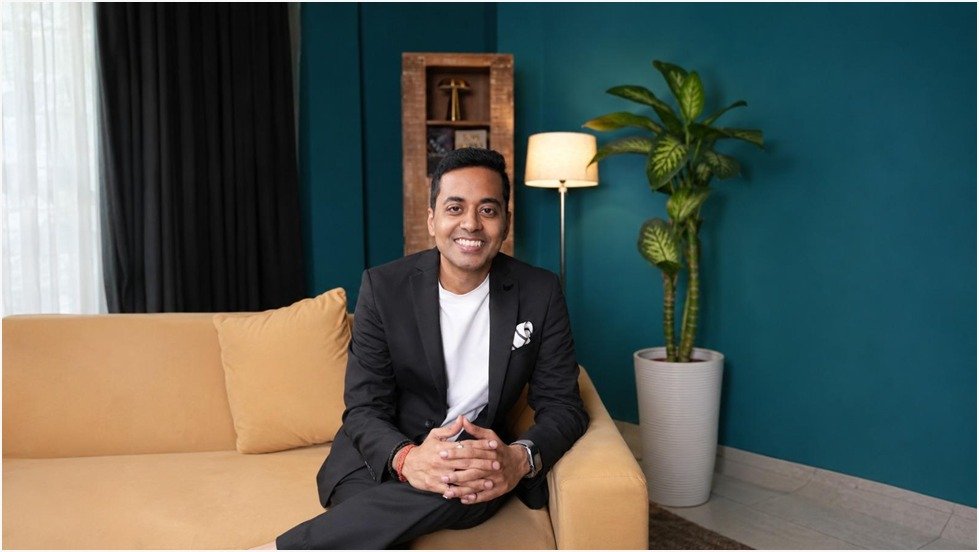
According to Lakshya Jayaswal, a wealth-management professional, the distinction between earning more and accumulating sustainable wealth is becoming increasingly important for India’s affluent middle class.
As financial aspirations evolve, Jayaswal emphasises that higher income alone cannot guarantee financial independence without disciplined investing, effective financial planning and responsible debt management.
Lakshya Jayaswal on the Difference Between Income and Wealth
A higher salary is often perceived as an indicator of financial success. However, income represents what an individual earns, while wealth represents what an individual accumulates and retains.
A professional earning ₹40 lakh annually may appear financially successful. But substantial home loan repayments, car EMIs, lifestyle expenses and limited investments can leave that individual with relatively little financial flexibility.
Meanwhile, someone earning considerably less but maintaining disciplined investments, manageable debt and a diversified portfolio may be building stronger long-term financial security.
“The biggest financial illusion today is believing that an expensive lifestyle is evidence of wealth. Real wealth is not measured by what someone can afford to buy today, but by how much financial independence they are building for tomorrow,” says Lakshya Jayaswal.
Lifestyle Inflation: The Silent Threat to Wealth Creation
Lifestyle inflation occurs when expenditure increases alongside income.
A salary increment becomes a car upgrade. A performance bonus becomes an expensive vacation. A promotion becomes a larger home with a longer financial commitment.
Lakshya Jayaswal highlights lifestyle inflation as an important consideration in long-term wealth management.
Consider an individual earning ₹2 lakh per month and investing ₹40,000. If their income increases to ₹3 lakh but monthly investments remain unchanged, their investment rate falls from 20% to approximately 13.3%.
Despite earning 50% more, the individual is not necessarily accelerating their wealth-creation journey.
Over several decades, this gap can significantly affect retirement planning and financial independence.
Why Easy Credit Is Changing India’s Definition of Affluence
Credit cards, consumer loans and flexible EMIs have made premium consumption more accessible. However, purchasing power supported by borrowing should not be confused with accumulated wealth.
Jayaswal explains that when a significant portion of future income is committed to repayments, individuals become increasingly dependent on uninterrupted employment or business income.
This can create financial vulnerability during economic uncertainty, medical emergencies or career transitions.
Effective personal financial planning requires evaluating not only whether a purchase is affordable today, but also how it affects future financial flexibility.
Lakshya Jayaswal’s Approach to Sustainable Wealth Management
For India’s emerging affluent population, Jayaswal advocates a structured approach to wealth creation built around five financial principles:
- Increasing investments alongside income growth.
- Maintaining adequate emergency reserves.
- Managing debt relative to repayment capacity.
- Diversifying investments across suitable asset classes.
- Establishing measurable retirement and financial independence goals.
Rather than focusing exclusively on investment returns, this approach considers the relationship between income, expenditure, financial responsibilities and long-term objectives.
From Looking Wealthy to Building Financial Independence
India’s expanding consumer economy reflects ambition and opportunity. But the next stage of financial progress must involve a deeper understanding of personal wealth.
Lakshya Jayaswal believes that financial success should gradually reduce an individual’s dependence on the next salary increment, promotion or business opportunity.
As India’s affluent middle class continues to evolve, the most important financial question may no longer be how much individuals earn, but how much of what they earn is converted into lasting wealth.
Through his perspective on financial planning, investment discipline and sustainable wealth creation, Lakshya Jayaswal encourages investors to look beyond visible affluence and focus on building genuine financial independence.
A rising standard of living is valuable. But a rising level of financial independence is what makes that progress sustainable.