Rakesh Sachdeva on the Execution Gap: Turning Hotel SOPs into Consistent Guest Experiences
A hotel may have detailed standard operating procedures for every department, yet the guest experience can vary significantly from one visit to another. A room inspection may be thorough on one day and rushed on another. A guest request may be handled promptly by one shift but delayed by the next. The issue is not always the absence of standards. Often, it is the gap between documenting a process and ensuring that it happens consistently.
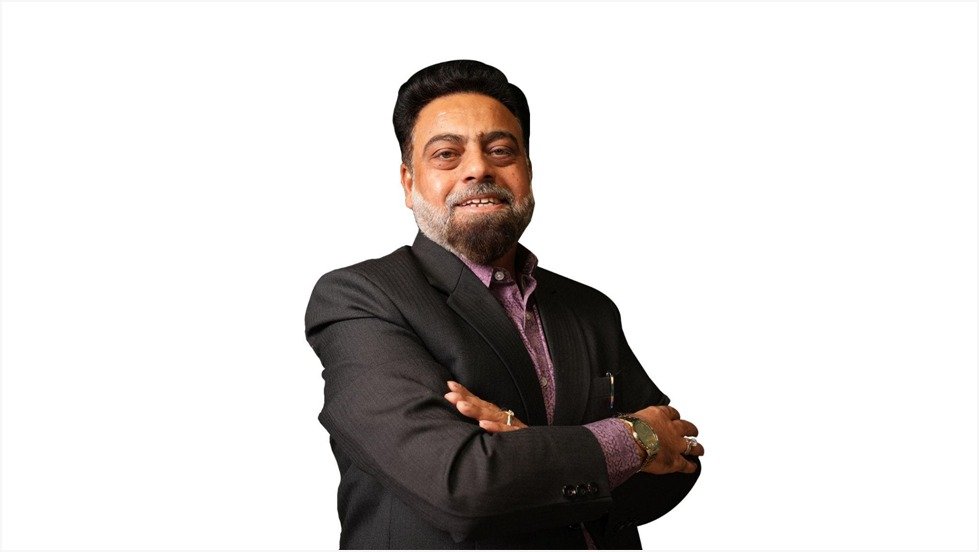
For Rakesh Sachdeva, Founder of Aureva Hotels & Resorts, this distinction is central to understanding effective hotel operations. He believes that operational standards create value only when they become part of everyday working behaviour.
The Difference Between Having an SOP and Following One
Standard operating procedures are designed to establish clarity. They define responsibilities, outline processes and help teams understand what is expected of them. However, a document alone cannot ensure consistent execution.
In hotel operations, this challenge becomes visible across departments. Housekeeping may have a room-cleaning checklist, but the quality of execution can depend on supervision, workload and coordination with maintenance. Front office teams may follow a check-in procedure, but the experience can still suffer when room readiness information is not communicated accurately.
Research on hotel SOP implementation has also examined the relationship between procedures, service quality, operational efficiency and employee behaviour. A 2024 study published in TourismSpectrum: Diversity & Dynamics highlighted the importance of implementation and strategic monitoring alongside the procedures themselves.
Sachdeva’s perspective places particular emphasis on what happens after an SOP is introduced. Is the team trained to follow it? Does the supervisor observe its execution? Is there a process for identifying deviations? Most importantly, does someone take responsibility when the standard is not met?
Why Operational Consistency Requires More Than Training
Training is an important starting point, but it cannot be treated as a one-time activity. Hotel teams operate across different shifts, departments and levels of responsibility. Employees also encounter situations that may not fit neatly into a documented procedure.
This makes supervisory involvement and practical reinforcement essential.
For example, a housekeeping standard should not be evaluated only by whether a room attendant knows the cleaning sequence. Management must also consider whether the required supplies are available, whether maintenance issues are resolved on time and whether completed rooms are inspected against clearly defined expectations.
The same principle applies to guest requests. A request that moves between front office, housekeeping and engineering needs clear ownership. Without it, every department may assume that another team is handling the issue.
For Sachdeva, accountability is what connects the procedure to the outcome. Every important process needs a responsible person, a measurable expectation and a method of review.
Making Hotel Systems Work in Daily Operations
At Aureva Hotels & Resorts, the broader operational philosophy associated with Sachdeva is centred on moving beyond individual effort towards dependable systems. The objective is not to remove human judgement from hospitality. It is to give teams the clarity and support required to deliver service consistently.
This requires hotel management to look beyond the existence of manuals and checklists. Departmental briefings, periodic refresher training, supervisory inspections, clear escalation procedures and regular review of guest feedback can help identify where execution is breaking down.
The National Council for Hotel Management and Catering Technology’s educational material on service quality control in franchise hotels also describes a continuous improvement cycle involving staff training, performance monitoring, guest feedback, evaluation and corrective action.
Such a cycle is relevant to hotels of different sizes. An independent property may not have the same resources as a large hotel chain, but it can still establish clear responsibilities, practical checklists and regular management reviews.
The objective is to make standards workable for the people expected to deliver them.
From Documented Standards to Organisational Capability
As hotels continue to compete on guest experience, consistency becomes an important part of their identity. Guests may not see the SOPs, departmental briefings or inspection routines behind a smooth stay. They experience the outcome of those systems.
Sachdeva’s view is that hotel owners should stop measuring operational readiness by the number of procedures they have documented. A more meaningful assessment is whether those procedures are understood, followed, monitored and improved.
A hotel does not become consistent simply because its standards are written down. It becomes consistent when its people, processes and leadership work together to deliver them.
The real test of a hotel SOP is not whether it exists in a manual. It is whether the guest can experience its impact every day.