


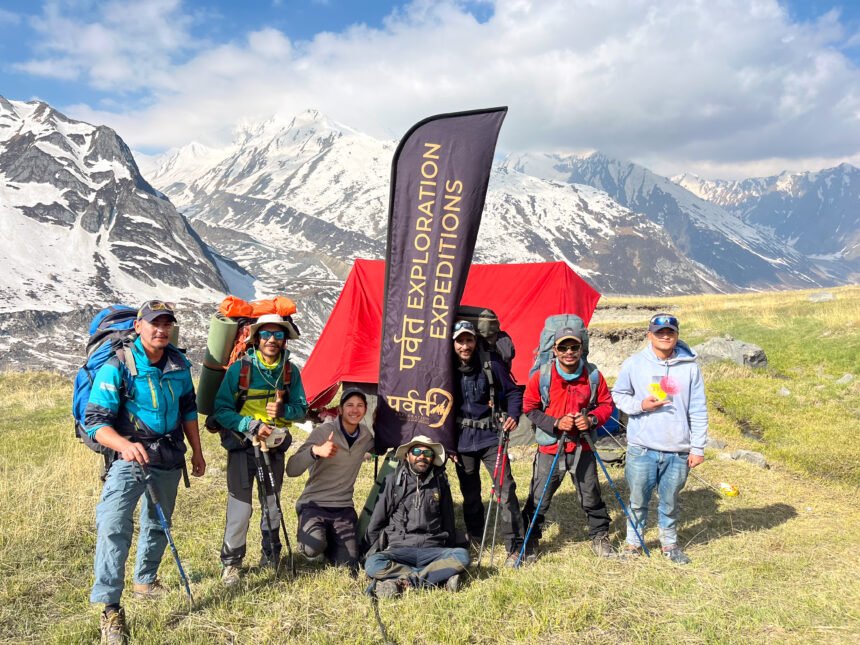
For many people, a Himalayan trek begins as an adventure. It is often seen as a physical challenge, a chance to witness snow-covered peaks, or an opportunity to step away from the routine of city life. But those who have walked through the mountains often speak about something deeper, a quiet transformation that unfolds along the journey.
The Himalayas have a unique way of changing how people think, feel, and observe the world around them. These changes rarely happen suddenly. Instead, they emerge slowly over days of walking through high-altitude trails, silent valleys, and remote landscapes.
According to the team at Parvat Exploration, this transformation is one of the most meaningful outcomes people experience after completing a Himalayan trek.
The Shift from Noise to Silence
Modern urban life is filled with constant activity. Notifications, meetings, traffic, and endless digital engagement leave very little space for stillness. Many people have become so accustomed to this pace that silence itself begins to feel unfamiliar.
The mountains introduce a completely different environment.
During a trek, the distractions of daily life gradually fade. Phone signals disappear. Schedules simplify. The focus shifts toward walking steadily, breathing deeply, and observing the surroundings.
Trekkers often describe the first few days as an adjustment period. But as the journey continues, the quietness of the mountains becomes comforting. It allows the mind to slow down and settle.
This shift from noise to silence is often where the transformation begins.
Discovering Personal Limits
Himalayan treks are not only scenic journeys; they are also physical challenges. Steep climbs, long walking hours, and changing weather conditions test both stamina and patience.
For many trekkers, this experience reveals strengths they did not realize they possessed.
Climbing a difficult trail after hours of effort or crossing a high-altitude pass can create a powerful sense of achievement. These moments are not just about reaching a destination. They are about discovering what the body and mind are capable of when pushed beyond familiar limits.
According to Parvat Exploration guides, it is common for trekkers to arrive with doubts about their ability to complete the journey. By the end of the trek, those doubts often turn into confidence.
A Simpler Way of Living
Life during a trek is surprisingly simple. The day revolves around basic activities like waking up early, walking along the trail, resting at campsites, and sharing meals with fellow trekkers.
In the mountains, comfort is redefined.
Warm sunlight in the morning, a hot cup of tea after a long climb, or a clear view of distant peaks can bring genuine satisfaction. Many trekkers realize that the simplicity of mountain life creates a different kind of happiness.
This simplicity often leads to reflection. People begin to appreciate the value of slowing down and focusing on the present moment.
Building Connections Along the Trail
Another unexpected transformation happens through the connections formed during a trek. Trekking groups often consist of individuals from different cities, professions, and backgrounds.
Yet walking the same trail creates a sense of shared purpose.
Long conversations during breaks, encouraging words during difficult climbs, and laughter around evening campsites bring people closer together. These connections are built through shared experiences rather than everyday social interactions.
Many trekkers return from the mountains with friendships that continue long after the expedition ends.
Parvat Exploration often highlights this aspect of trekking as one of the most memorable parts of the journey.
A New Perspective on Challenges
Perhaps the most lasting change people experience after a Himalayan trek is a shift in perspective.
Standing at high altitudes, surrounded by vast landscapes and towering peaks, often puts everyday concerns into context. Problems that once felt overwhelming may begin to seem more manageable.
The mountains teach patience. They remind trekkers that progress often happens step by step. A long trail cannot be rushed, and a summit cannot be reached without steady effort.
These lessons tend to stay with people even after they return to their regular routines.
Why People Return to the Mountains
It is not uncommon for first-time trekkers to return for another expedition. Many describe the Himalayas as a place that leaves a lasting impression.
The sense of accomplishment, the peaceful environment, and the personal growth experienced during a trek often create a strong desire to explore more trails.
According to Parvat Exploration, repeat trekkers frequently say that their first journey opened the door to a deeper appreciation of the mountains.
What begins as curiosity often becomes a lifelong connection with nature.
More Than Just an Adventure
A Himalayan trek is often planned as an adventure, but it becomes something far more meaningful. The journey challenges the body, quiets the mind, and reveals new perspectives.
The transformation may not always be dramatic or obvious. Instead, it unfolds quietly — through moments of reflection, shared experiences, and the realization that the journey itself holds great value.
For many people, the Himalayas leave behind more than memories.
They leave behind a renewed sense of clarity, resilience, and appreciation for the world beyond the noise of everyday life.