


In the global fashion industry, rising costs often dominate conversations. Cotton prices fluctuate, freight rates move unpredictably, and labour costs continue to evolve across major manufacturing hubs. Yet behind the scenes, many fashion brands across Europe and Japan are increasingly worried about something else entirely.
Dead stock.
Unsold inventory sitting in warehouses has quietly become one of the biggest financial risks for fashion brands and retailers. When collections fail to sell, the impact is far more severe than a marginal increase in production costs. Discounting, storage expenses, and brand dilution can quickly turn unsold garments into a costly burden.
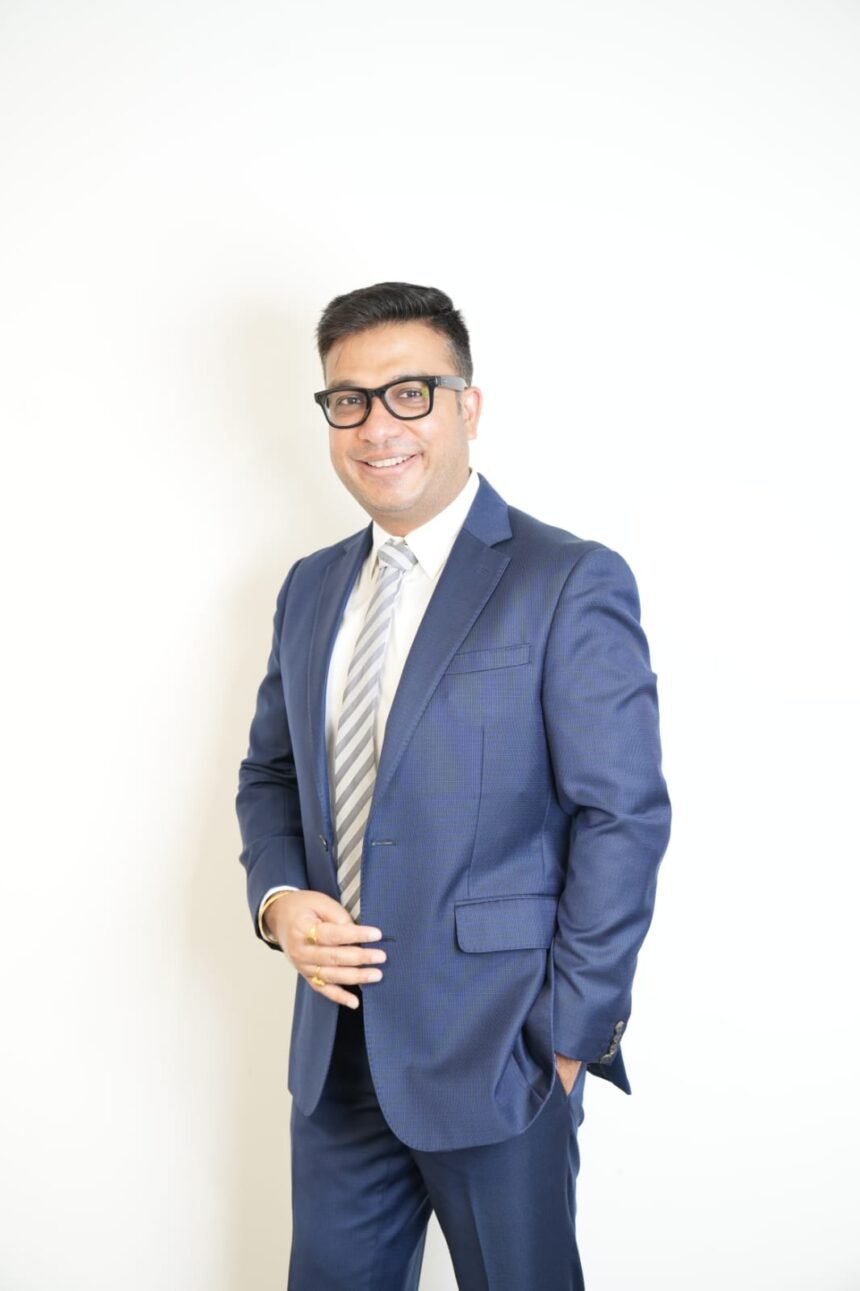
According to Aman Jain, founder of Dressman, a women garment manufacturer and exporter based in India, global fashion brands are beginning to rethink the way they approach garment sourcing and manufacturing partnerships.
“Rising production costs are manageable,” Jain explains. “But dead stock is unpredictable. Once inventory doesn’t sell, it affects the entire business cycle of a fashion brand.”
Dressman works with international fashion brands and buying houses that source women wear garments from India, and Jain has witnessed a clear shift in the priorities of global buyers.
For decades, fashion sourcing largely revolved around finding the lowest manufacturing cost. Buyers would place large seasonal orders with garment factories months in advance. Manufacturers focused on efficiency, scale, and long production runs.
But the dynamics of fashion retail have changed dramatically.
Today’s fashion market moves faster than ever. Social media influences consumer demand overnight. Trends rise and disappear within weeks. Retailers must constantly adapt to changing buying patterns.
When brands overestimate demand, the result is unsold inventory. And in an industry where margins are often tight, dead stock can quickly erase profits.
This is why many international brands and buying houses searching for a women garment manufacturer in India are now prioritising flexibility, reliability, and quality over simply the lowest cost of production.
India has emerged as one of the most trusted destinations for apparel sourcing in this evolving landscape.
Global buyers frequently search for women clothing factory India, ladies wear manufacturer India, women fashion garment exporter India, private label clothing manufacturer India, and women apparel supplier India when looking for reliable partners capable of producing high quality garments for international markets.
The country’s textile heritage, skilled workforce, and growing compliance standards have positioned India as a preferred sourcing hub for women’s apparel manufacturing.
Companies like Dressman are part of this new generation of Indian garment manufacturers that focus not only on production capacity but also on understanding the broader business needs of fashion brands.
Operating as a women wear manufacturer and exporter in India, Dressman supplies garments to European markets while maintaining globally recognised social compliance standards, including BSCI compliance and audited and certified sustainable production and products, which have become essential requirements for international brands and sourcing partners.
Compliance and transparency are no longer optional in the global fashion supply chain. Fashion brands today are under increasing pressure to ensure ethical sourcing, responsible manufacturing, and sustainability throughout their production ecosystem.
However, compliance alone does not solve the dead stock challenge.
Fashion brands today are searching for manufacturers who can offer agility and precision in production. This includes efficient sampling, reliable pattern development, consistent quality control, and the ability to support smaller production runs when necessary.
Buying houses sourcing garments from India often look for partners who can respond quickly to changing demand while maintaining international quality standards.
“Manufacturing today is no longer about producing the maximum number of garments,” Jain says. “It is about producing the right quantity at the right time.”
This shift has also strengthened India’s position in the global fashion supply chain.
Many sourcing companies and global buyers now view India as one of the best destinations for women clothing manufacturing, private label garment production, and women apparel export due to its balance of quality craftsmanship, responsible production standards, and scalable manufacturing capabilities.
For Dressman, the focus remains on building long-term relationships with fashion brands and sourcing partners rather than simply executing individual orders.
By combining technical expertise with a deep understanding of global fashion dynamics, the company aims to help brands reduce the risk of unsold inventory while maintaining product quality and delivery reliability.
In an industry where trends change rapidly and inventory risks continue to rise, manufacturers who understand the economics of fashion retail are becoming indispensable partners.
And increasingly, global fashion brands are discovering that many of those partners are based in India.