


By Brand Swamy
A Fundamental Shift in Brand Building
A quiet but powerful transformation is reshaping the way brands are built in the digital era.
For decades, businesses followed a predictable path—develop a product, invest in marketing, and drive sales. However, the rise of digital platforms has disrupted this sequence. Today, a growing number of successful brands are reversing the model: they build audience first, product later.
This shift marks the emergence of what is now widely recognized as Narrative Marketing—a strategy where storytelling, content, and community form the foundation of business growth.
From Content Creators to Business Empires
The rise of creator-led brands offers compelling evidence of this transformation.
Entrepreneurs like Jimmy Donaldson have demonstrated how digital influence can translate into commercial success, with ventures like Feastables generating millions in revenue within a short span.
Similarly, Emma Chamberlain has built Chamberlain Coffee into a globally recognized brand, while Michelle Phan co-founded Ipsy, a beauty subscription service valued at over $500 million.
The trend extends further. Logan Paul and KSI leveraged their massive online following to launch Prime Hydration, achieving remarkable retail success. Meanwhile, Cassey Ho transformed her fitness content into a thriving apparel business.
Despite differences in industries, these ventures share a common foundation: they were built on trust, not just transactions.
Decoding the Pattern
An analysis of these brands reveals a consistent and repeatable model:
Content creation establishes visibility
Audience engagement builds trust
Community insights guide product development
Products are launched to meet existing demand
Content continues to function as a primary marketing engine
This approach significantly reduces market risk, as products are introduced to an already engaged and receptive audience.
The Challenge for Traditional Brands
While the success of creator-led businesses is evident, traditional companies often struggle to replicate this model.
The hesitation stems from a common belief:
“We are not content creators—we are brands.”
However, in an environment where consumer attention is fragmented and advertising fatigue is high, relying solely on traditional marketing methods is becoming increasingly ineffective.
Introducing Narrative Marketing
To bridge this gap, brands must adopt Narrative Marketing—a strategy that integrates storytelling with marketing execution.
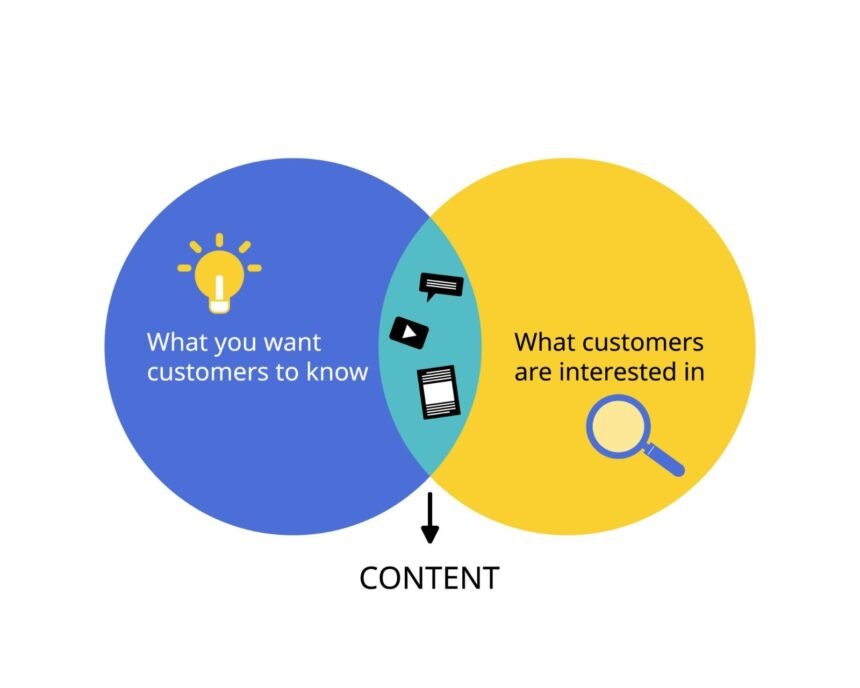
At its core, Narrative Marketing emphasizes creating meaningful and relevant content, building long-term audience relationships, aligning products with real customer needs, and using content as a continuous engagement and conversion engine.
Rather than treating content as a promotional add-on, this approach positions it as a central business function.
A Three-Dimensional Content Strategy
Effective Narrative Marketing operates across three key dimensions.
Awareness focuses on capturing attention and introducing the brand.
Engagement builds connection through value, relevance, and consistency.
Activation drives measurable action such as purchase, inquiry, or participation.
Balancing these elements ensures that content is not just seen, but felt and acted upon.
The Integration of Media Channels
Narrative Marketing thrives on a strategic blend of owned media, paid media, and earned media.
Owned media includes platforms controlled by the brand.
Paid media amplifies reach through advertising.
Earned media builds credibility through organic sharing and word-of-mouth.
When aligned, these channels create a powerful and cohesive brand narrative.
From Selling Products to Serving Audiences
The most significant shift is not tactical but philosophical.
Modern brands must move from a product-first mindset to a people-first approach. This means listening before selling, creating value before expecting returns, and understanding needs before offering solutions.
Why Trust is the New Currency
Creators have succeeded because they feel human, relatable, and consistent. They engage directly, communicate authentically, and build trust over time.
For brands, the opportunity lies in adopting these same principles—developing a voice, a personality, and a purpose that audiences can connect with.
The Road Ahead
As competition intensifies and attention becomes increasingly scarce, the importance of Narrative Marketing will only grow.
Brands that succeed will be those that invest in content as a long-term asset, build communities rather than just customer bases, align offerings with audience-driven insights, and communicate with clarity, consistency, and authenticity.
Conclusion
The shift from product-first to narrative-first branding is not a trend—it is a transformation.
In a crowded marketplace, products alone no longer differentiate. What sets brands apart is their ability to tell compelling stories, build trust, and create meaningful connections.
Final Insight
In today’s economy, attention may open the door, but trust is what drives growth.