Why the Future of Fashion Retail May Be Built Outside the Metros: Niikhlesh.C
For years, India’s fashion retail playbook was written in Mumbai, Delhi and Bengaluru. Large brands launched in metros, tested demand there and treated smaller cities as the next phase of expansion.
That sequence is becoming harder to defend.
In September 2026, CRISIL Ratings said India’s organised apparel retail sector is expected to grow 12–13% this fiscal year, supported by value fashion, demand for branded apparel and expansion beyond large cities. Physical stores remain the primary growth driver, while retailers are increasingly adding stores in underpenetrated Tier-II and Tier-III markets.
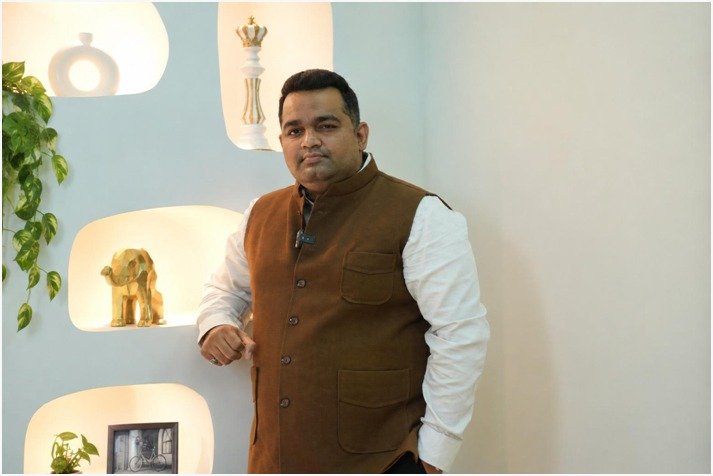
For Niikhlesh Chelwani, Managing Director of Satyam Mall in Nagpur, the shift is not simply about brands opening more stores outside metros. It is about recognising that fashion demand in these markets has developed its own logic.
Smaller cities are not smaller versions of Delhi or Mumbai.
The Consumer Has Changed Before the Retail Playbook Has
Digital access has removed much of the old information gap between metro and non-metro shoppers.
But access to trends does not make every market identical.
A shopper in Nagpur may know what is trending in Mumbai, yet still evaluate a purchase through a different mix of price, family preferences, occasion, durability and trust. Wedding shopping makes that distinction particularly visible because decisions are often made by families rather than individuals.
Chelwani’s experience has been built around observing those decisions from the shop floor. He entered the family business at 16, working directly with customers before moving into leadership.
The lesson is simple: retailers should not confuse aspiration with imitation.
Fashion Retail Needs Local Intelligence
The next phase of non-metro retail will not be won by transporting a metro assortment into a smaller city.
Retailers need to understand what people are actually willing to buy, which categories matter for local occasions, how customers combine premium and value purchases, and how frequently merchandise needs to change.
This is particularly relevant because value fashion has become one of the strongest growth drivers in organised apparel. CRISIL says value fashion’s share of sector revenue has increased to 46% from 39% over the past three fiscals, driven by aspirational but price-conscious consumers, wider choice at lower price points and deeper penetration into smaller cities.
That does not mean consumers outside metros only want inexpensive fashion. It means the value equation is sharper.
Customers want style, freshness and quality, but they also expect the purchase to make sense.
“The job of a retailer is not to tell a customer what premium should mean. It is to understand what premium means to that customer.”
[Founder approval required]
Why Physical Retail Still Matters
The rise of digital discovery has not removed the relevance of physical fashion stores.
CBRE reported that fashion and apparel accounted for about 40% of India’s retail leasing during the first half of 2026.
For fashion categories, especially wedding and occasion wear, physical retail solves problems an endless digital catalogue cannot always solve efficiently: trial, fit, coordination, comparison, personal guidance and immediate decision-making.
Satyam Mall’s long operating history in Nagpur gives Chelwani a front-row view of that change. Rather than treating the city as a market waiting to “catch up,” his perspective is that retailers need to design around the consumer already there.
The Next Retail Advantage Will Be Relevance
The growth of Tier-II and Tier-III fashion retail is often discussed as a real-estate or expansion story.
That misses the more important shift.
It is a relevance story.
Brands moving outside metros will still need scale, technology and strong supply chains. But they will also need local merchandising intelligence, the right price architecture, store teams that understand customers and enough flexibility to adapt national trends to regional demand.
The winners may not be the brands that arrive with the biggest metro playbook. They may be the retailers that understand when that playbook needs to be rewritten.
For Niikhlesh Chelwani, that is why the future of Indian fashion retail may increasingly be built outside the metros: not because smaller cities are becoming copies of bigger ones, but because they are becoming powerful markets on their own terms.