


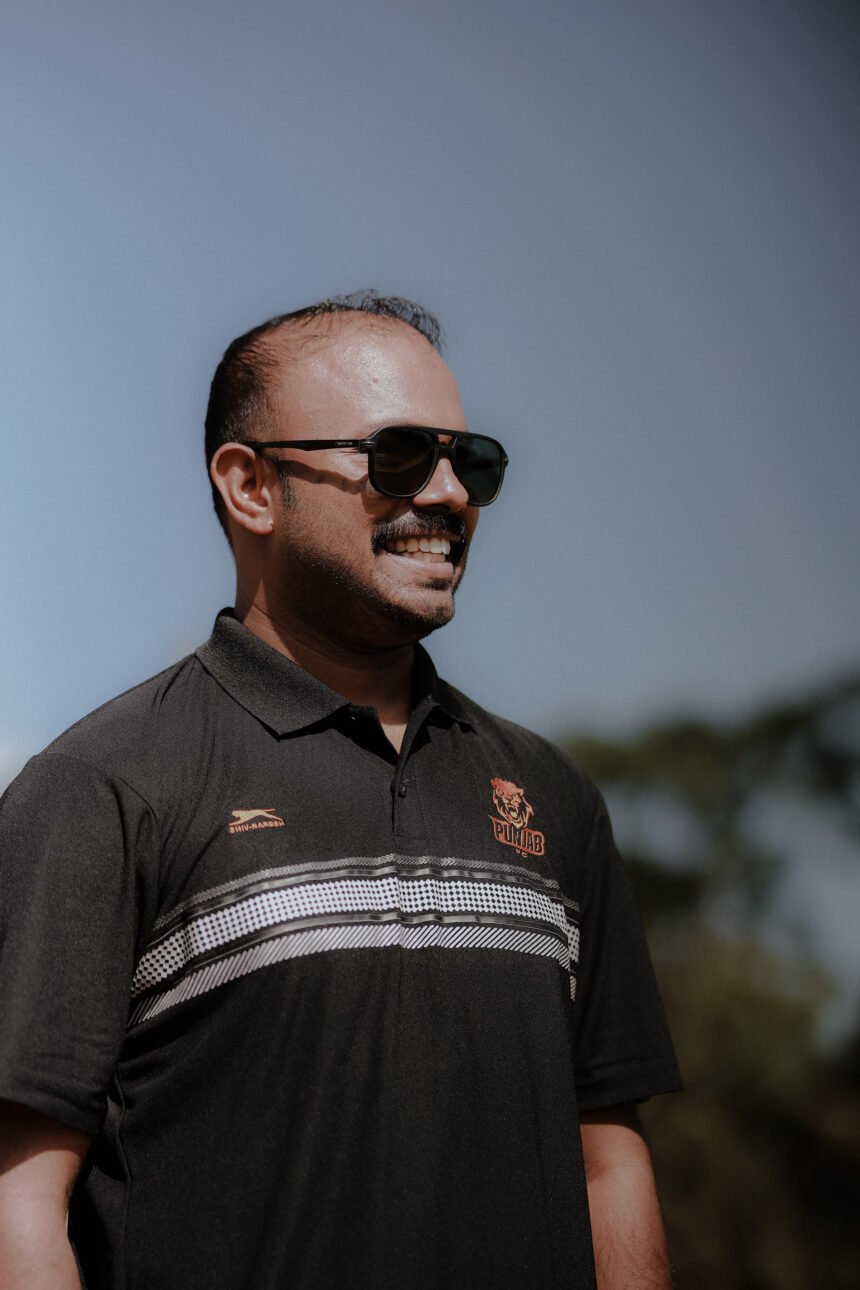
Every generation produces a few individuals who do more than succeed — they redefine standards. Muhammed Shahinsha is one such name. At just 26, he has already carved a reputation as one of India’s most promising football scouts and youth development strategists, a professional whose journey reflects ambition, precision, and an extraordinary understanding of the game’s future.
Shahinsha’s story is not one of chance; it is one of intent. Long before recognition found him, he was a student of the game in its purest form — analyzing players, studying systems, and understanding what separates potential from performance. While many young professionals dream of entering elite football circles, Shahinsha quietly worked toward mastering the science behind talent identification. His foundation was built not on hype, but on hours of observation, evaluation, and relentless learning.
His early professional years saw him rise through the scouting ecosystem, eventually serving for two and a half years as Head of Scouting at one of India’s top football agencies. In that role, he didn’t just identify talent — he helped shape careers. Known for his sharp eye and analytical mindset, he developed a reputation for spotting players others overlooked. Those years sharpened his philosophy: scouting is not about finding the best player today, but about recognizing who can become the best tomorrow.
That philosophy became the cornerstone of his next chapter.
When Shahinsha stepped into a larger role within professional club structures, he brought with him a vision that extended far beyond matchday performance. He focused on building a complete youth ecosystem — a pipeline designed to produce elite players consistently rather than occasionally. Under his strategic guidance, youth teams across multiple age categories, including U14, U16, U18, and reserve squads, transformed into one of the strongest developmental systems in the country.
The results spoke louder than any résumé ever could.
Within a short span, his youth structure produced national champions in the U16 and U18 categories. These weren’t isolated victories; they were proof of a system working exactly as designed. His teams also captured major youth tournament titles in consecutive seasons, establishing themselves as a dominant force in Indian youth football. What made these achievements remarkable was not just the trophies, but the style and consistency with which they were earned — disciplined teams, tactically aware players, and a clear footballing identity.
This season marked another milestone when the reserve squad he helped shape qualified for the national rounds held in Mumbai, signaling that his development pathway was producing players ready for higher competitive levels. Meanwhile, the senior team reached a historic milestone by advancing to the Super Cup semi-final — a landmark achievement that reflected the broader footballing structure he contributed to building alongside the technical leadership staff.
What distinguishes Shahinsha is his rare combination of scouting intelligence and structural vision. Many can identify talent. Few can design an ecosystem that multiplies it. He understands that elite football nations are not built on one golden generation but on systems that continuously produce them. His work reflects this long-term mindset — every training model, recruitment decision, and development plan aligns with a larger blueprint.
Colleagues often describe his approach as calm, methodical, and fiercely detail-oriented. He is known for studying opponents, analyzing data patterns, and evaluating player psychology with the same intensity. Yet behind that analytical precision lies a deeply human leadership style. He believes young athletes thrive not only on tactics and drills but also on belief, mentorship, and clarity of purpose. For him, developing a player means developing confidence, character, and decision-making — not just technical ability.
Despite rapid success, Shahinsha remains grounded. He often credits teamwork, mentorship, and learning environments for his growth, emphasizing that football is never a one-man achievement. This humility, combined with his results, has made him widely respected among coaches, analysts, and youth developers across the football ecosystem.
What makes his journey especially inspiring is its timing. At an age when most professionals are still exploring career paths, he has already influenced national-level youth outcomes, helped shape championship-winning squads, and contributed to historic club achievements. His trajectory suggests not just promise, but inevitability — the sense that his impact on Indian football is only beginning.
Looking ahead, Shahinsha’s ambitions are larger than titles. He envisions building systems that can consistently produce world-class Indian players and elevate the country’s global football standing. His mission is clear: transform potential into performance, and performance into legacy.
Muhammed Shahinsha’s journey is a reminder that true success in sport is not measured only by goals or trophies, but by the structures that make those victories possible. He represents a new generation of football minds — analytical yet intuitive, ambitious yet grounded, young yet remarkably accomplished.
Because sometimes, the future of a sport is not defined on the pitch.
Sometimes, it is built by the visionary standing just beside it.