The Festive Retail Game Has Changed: Niikhlesh C on What Today’s Indian Shopper Actually Wants
India’s festive shopping season has always been important for retailers. But in 2026, the bigger story may not simply be how much consumers are buying. It is why they are choosing one retailer over another.
Early festive demand has reached a five-year high across categories including apparel, automobiles and consumer durables. A recent Clothing Manufacturers Association of India survey also found that 52% of apparel manufacturers expect festive sales to exceed last year’s levels.
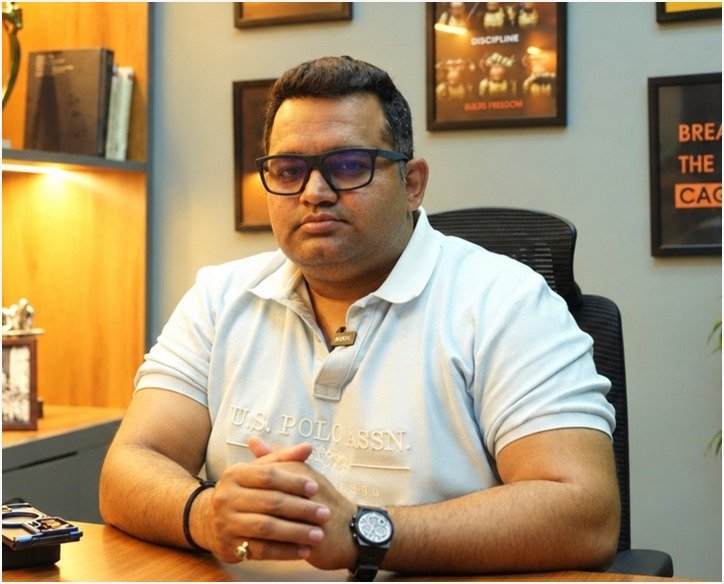
For Niikhlesh Chelwani, Managing Director of Satyam Mall in Nagpur, rising demand tells only half the story.
After growing up on the retail floor and spending years observing customers at close quarters, Chelwani believes festive retail is becoming less dependent on the oldest weapon in the retailer’s playbook: discounting.
The modern Indian shopper still wants value. But value increasingly means more than a lower price.
Beyond the Discount Board
Deloitte India’s 2026 fashion research points towards a more discerning consumer. Around 40% of surveyed shoppers had experimented with new fashion brands in the previous year, while roughly 30% identified sensory and in-store experience as an important influence on fashion purchases. The research describes a shift towards more intentional, quality-led and experience-led consumption.
That shift becomes especially relevant during festivals and weddings, when clothing is rarely an isolated purchase.
Families shop together. Multiple generations participate in decisions. Customers compare styles online before entering a store. They arrive with references, expectations and considerably more information than shoppers had a decade ago.
That changes the retailer’s job.
Having inventory is not enough. Retailers must understand assortment, presentation, service, availability and the emotional context behind the purchase.
For a wedding shopper, for example, the requirement is rarely just “a sherwani” or “a saree.” The real requirement could involve coordinating an entire family, multiple occasions, budgets, preferences and timelines.
The winning retailer therefore does more than sell merchandise. It reduces complexity.
Experience Is Becoming Part of the Product
Chelwani’s perspective comes from a business built around physical retail.
Satyam Mall traces its roots to 1989, while Chelwani himself entered the family business at 16, beginning with basic store-floor responsibilities rather than a management position. Today, the business operates multiple stores, including a 55,000-square-foot flagship in Nagpur, and its internal brand records cite a team of more than 500 people.
That journey has shaped a simple belief: retail is ultimately a people business.
As Chelwani puts it, “Business is not just about profit. It’s about people. Trust. Respect. Legacy.”
That idea carries greater weight when consumers have more choice than ever.
Digital platforms can offer endless catalogues and aggressive pricing. A physical retailer cannot win by trying to become an offline version of an e-commerce marketplace. Its advantage lies elsewhere: human judgement, immediate discovery, touch and feel, personal assistance, alterations, coordination and confidence at the point of purchase.
This is particularly important in Tier-2 markets, where organised apparel retail continues to expand. CRISIL expects India’s organised apparel retail sector to grow by around 12–13% in FY27, supported partly by value fashion and expansion into smaller cities.
The New Festive Retail Test
For retailers, the opportunity this festive season is therefore bigger than generating a temporary sales spike.
The real test begins after the customer enters the store.
Was the right product available?
Did the team understand the occasion?
Was the experience convenient?
Did the customer feel respected rather than sold to?
And most importantly, would that family return?
This is where Niikhlesh Chelwani sees the future of Indian retail taking shape.
Discounts may bring customers through the door. But assortment gives them choice, service gives them confidence, experience gives them a reason to remember, and trust gives them a reason to return.
In an increasingly competitive festive market, that difference may determine which retailers merely have a successful season and which ones build a lasting institution.